

Alcohol Home Detox - A Safe and Effective Treatment Option
You don't have to go to rehab to get rid of alcohol dependence. You can do the detoxification and rehabilitation in the comfort of your home.
This treatment method is cheaper and more convenient than visiting an rehab center and is very efficient.
Cost
If you are suffering from alcohol dependence A detox may aid in stopping drinking which allows your body to naturally cleanse itself. It is important to keep in mind that not everyone should detox at home, as doing so could increase the risk of getting back into the habit. To avoid relapse, adhere to medical advice and complete your detox in a supervised environment. This way, you will receive the proper assistance and care to conquer your addiction.
If you're considering an alcohol detox at home it's important to know how much this type of treatment will cost you. While it can be cheaper than inpatient rehabilitation treatment but it's still a significant investment. alcohol home detox uk provide 24-hour care, including meals and accommodations in a secure residence. The cost of rehabilitation inpatient can vary widely depending on the centre you choose and its facilities.
A professional will handle your alcohol home detox in a safe and secure environment at your home. This allows you to continue your routines and responsibilities while minimizing the impact on your daily routine. During this period, you'll be given medications that can help you deal with withdrawal symptoms and any other complications. The medication you receive will likely contain sedatives to ease the withdrawal symptoms. how to alcohol detox at home may also include sleeping tablets and anti-sickness medications to help you get an excellent night's rest.
A home detox typically is much less costly than a full rehab program, because you'll only pay for the alcohol detox medication and any associated costs. This is a great option for those who need to stop drinking but are unable to pay for inpatient rehab.
You shouldn't be concerned about the cost of home alcohol detox since public treatment programs are accessible to all UK residents. The NHS provides these programmes, but they can be oversubscribed. This can lead to long waiting lists. Private detox clinics are, however, run independently of the NHS. They provide treatment for a wide variety of addictions and behavioral disorders.
Convenience
Home detox is a safe and convenient way to assist people suffering from alcohol dependence disorder (AUD) to recover. The first step to recovery from AUD is detoxification that removes harmful substances from the body. If you don't take care of your detox, it could result in severe withdrawal symptoms, such as seizures. It is recommended to detox with the aid of medical professionals. This is why a lot of people opt to detox at home instead of an in-clinic rehabilitation facility.
People who are working and aren't able to take time from their work or family obligations to go to a rehabilitation facility can find home therapy an ideal alternative. It is also more affordable than residential therapy. Home detox is less expensive and provides convenience and flexibility for those who need it.
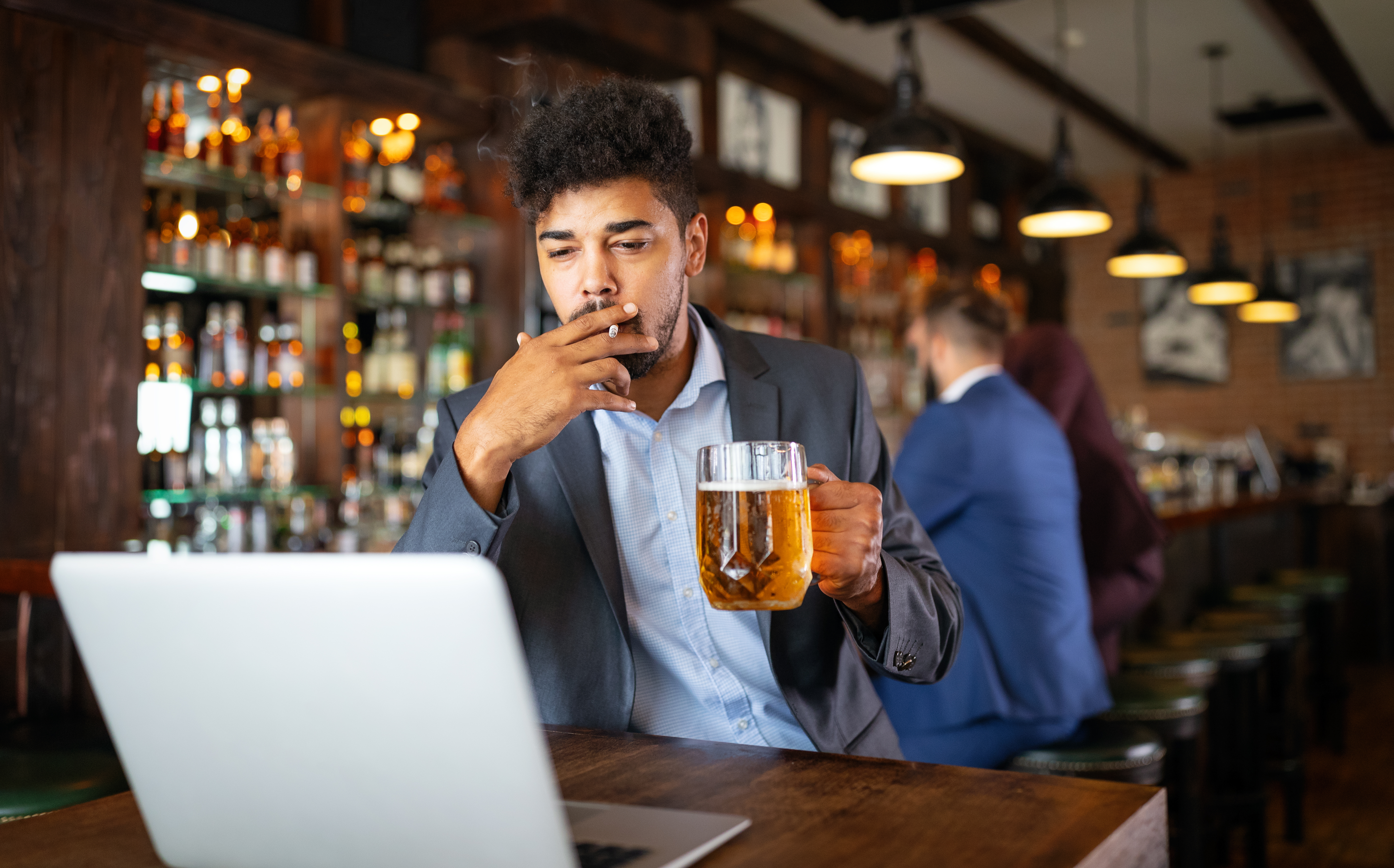
Moreover, home detox provides individuals with more privacy than hospital treatment. This allows them the comfort of their home and to continue their normal life while going through withdrawal. In addition, they can receive more care than they would at an inpatient rehab centre.
A home alcohol detox can also be done at a location and time that is most suitable for the individual. In most cases this is more convenient than attending a rehab programme, which can be located in various locations throughout the UK.
A home detox is also more effective than quitting drinking on your own. This can result in the withdrawal symptoms that are dangerous. It is important to keep in mind that a home alcohol detox isn't for everyone, especially those who have severe addictions or co-occurring mental health conditions. In these cases, residential rehabilitation programs with 24/7 medical supervision could be the best choice.
There are many benefits for a home detox from alcohol however, you need to take into consideration a few aspects before deciding on this type of treatment. Speak to your doctor to determine whether a home detox is the best option for you. They can provide you with guidance or refer you to a home alcohol detox should you require it.
Symptoms
When people with an addiction to alcohol try to quit drinking, they'll experience discomforting withdrawal symptoms. Alcohol is a central nerve system suppressant. This means that when a person drinks often, their brain and body function will decrease. The body will become accustomed to this slowing down and will react violently if deprived of its source of. Alcohol detox is the process of eliminating alcohol from the body. It may take a bit of time and can cause unpleasant withdrawal symptoms.
In certain instances doctors may prescribe medication to assist with the process of withdrawal from alcohol. For alcohol detox center , Chlordiazepoxide (Librium) is a well-known benzodiazepine which can help reduce the severity of withdrawal symptoms. It is essential for alcoholics to follow the dosage instructions precisely in order not to overdose on the drug. This could be risky, especially if a patient is already experiencing anxiety and apprehension as a result of alcohol withdrawal.
The GP may also offer the patient a vitamin as it is normal for alcoholics to suffer vitamin deficiencies. They may also suggest sleep aids, as many who are addicted to alcohol struggle with poor quality sleep. It is also a good idea to avoid beverages that contain caffeine during the detox time as these can make the sleep issues worse.
People who are addicted to alcohol but are unable to afford an inpatient rehab programme are often able to decide that a home detox is the most effective option. The disadvantages of detoxing from alcohol at home include the lack of supervision and support from a professional and the increased risks of severe withdrawal symptoms that could be fatal. It is therefore recommended to seek advice from an experienced therapist prior starting an alcohol home detox program. A GP or nurse will be able to tell the patient if they are a suitable candidate for a home detox, and provide advice about the best method for carrying out the programme.
Getting Started
Untreated alcoholism can lead to serious health problems. Alcohol abuse is drinking excessive quantities of alcohol frequently which can have a negative effect on health and lifestyle. You can go through an alcohol home detox in case you're concerned that your drinking habits have turned unhealthy or addictive. This is an effective and safe treatment option that can help you overcome the cycle of addiction to alcohol.
The process of taking an alcohol detox at home starts with a consultation with a doctor. This will ensure that you are well-supervised throughout the detox process and that you receive the assistance you need. A doctor may prescribe medications to help manage withdrawal symptoms. For instance, a prescription of chlordiazepoxide. It is essential to eliminate alcohol from your home before you begin the detox. This will help stop relapses and will make the process more easy. You should also look for other ways to keep you from the urge to drink alcohol. This could include engaging in a new pastime or spending time with friends and family.
After you've completed your detox, it is crucial to follow up with therapy. It could be in the form of individual or group counseling, CBT and other therapies, all designed to aid you in overcoming your addiction. If alcohol detox near me don't tackle the psychological component of your addiction, you are unlikely to be able to stop drinking on a long-term basis.
Although it might appear daunting, a DIY alcohol withdrawal can be effective and safe if you monitor your own behavior carefully. If you are concerned about relapse, you could always seek out additional help from your GP or mutual aid groups like AA and SMART Recovery. The GP can also prescribe naltrexone and Acamprosate, which are offered through the Pharmaceutical Benefits Scheme, for relapse prevention. These medications can be utilized in conjunction with a structured post-treatment program. The ongoing therapy program can assist you in staying on the right track to achieve your goals and achieve lasting abstinence from alcohol.